




Diarrhea, vomiting, and fast body dehydration are among the symptoms that put patients in danger of kidney impairment and necessitate dialysis. This very infectious virus, which spreads through food, water, and infected surfaces, is widespread in diabetics. Human-to-human interaction between an infected patient and others is another way the norovirus spreads.
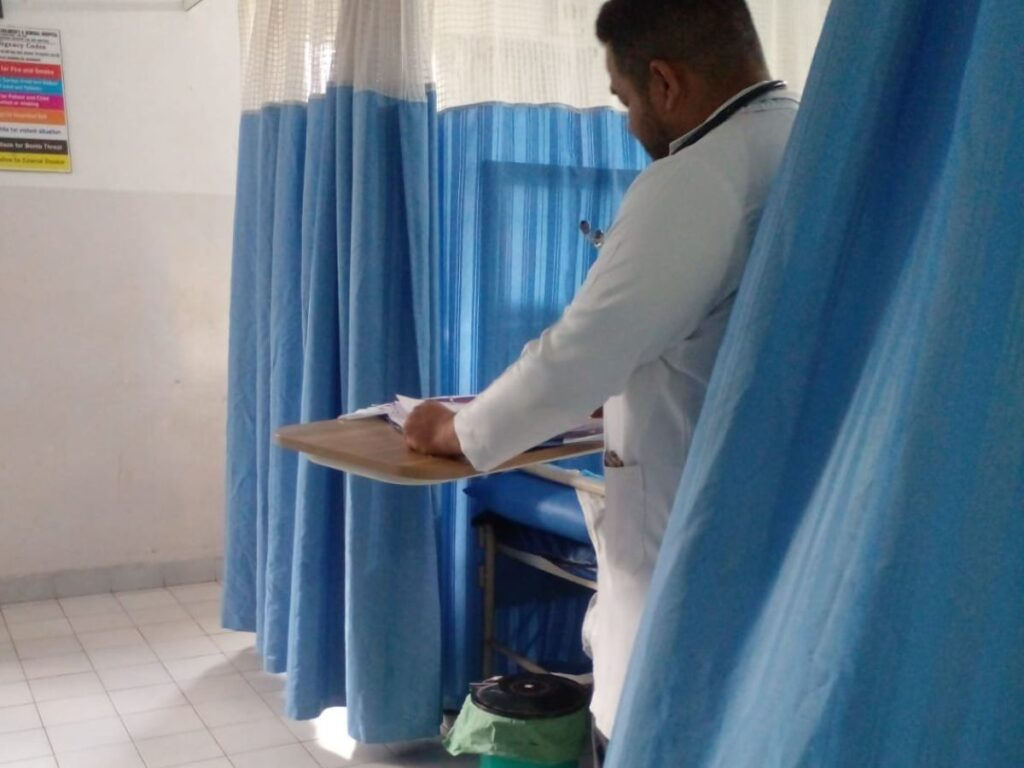
According to Dr. Fawad Ali, dialysis is provided at the hospital for two to five percent of patients who present with symptoms of gastroenteritis, according to the "India Herald." On thursday night, two young ladies, ages 19 and 20, were receiving the same treatment at the hospital. After being segregated from other patients, they were both receiving treatment, with one of them receiving care in the critical care unit (ICU).
"We are currently treating the patients with fluids and other medication, but there is a high risk of kidney failure," he warns, pointing out that the virus is mostly spreading through contaminated food and drinking water in the Old City.
The US Centres for Disease Control and Prevention (CDC) report that between november and april of each year, there have been 2,500 norovirus outbreaks in the US. The Norwalk virus and the "winter vomiting bug" are other names for the norovirus.
 click and follow Indiaherald WhatsApp channel